

Every solar rebate you can claim, handled for you
Australia still has real money on the table for solar and batteries in 2026. Here is what each program pays, who qualifies, and how we fold it into your quote so you never chase paperwork.
Watch the discounts stack up
Most households combine two or three programs. We apply them at the point of sale, so the price on your quote is already after rebates. Here is how they add up for a Victorian home, before any battery.
- FederalSTC discountAbout 45 certificates on a 6.6kW system in 2026, at a mid-market price− $1,700
- VictoriaSolar Victoria panel rebateFor an eligible owner-occupier, on top of the federal discount− $1,400
Add a battery and the federal Cheaper Home Batteries rebate comes off on top, roughly $252 to $272 per kWh of usable capacity from 1 May 2026.
Illustration only, not a quoted price. A mainland-capital (Zone 3) install in 2026, an eligible owner-occupier, and a mid-market certificate value. Your figures depend on your roof, your system and the certificate price on the day. We confirm everything in a written quote.
The programs behind the numbers
Five schemes do the work. Some are federal and apply everywhere, some are Victorian, and one is really about your retail plan.
Federal STC discount (SRES)
Federal · nationwide$1,600–$1,800on a 6.6kW system, mainland capital
The main federal solar rebate. Your system earns Small-scale Technology Certificates on its size, zone and install year. You assign them to us and we take the value off your price. The count falls each year to the end of 2030, so earlier installs earn more.
Any home or business with a CEC-approved system and an accredited installer. No income test.
Cheaper Home Batteries rebate
Federal · nationwide$252–$272per kWh usable, from 1 May 2026
Since July 2025 the federal scheme discounts home batteries too, through the same certificate mechanism, as an upfront point-of-sale discount. The rate stepped down on 1 May 2026, so any older per-kWh figure is stale. It steps down again every six months to 2030.
Homes, businesses and community groups with new or existing solar. No means test. The battery must be CEC-approved and VPP-capable. Grid-only batteries do not qualify.
Solar Victoria (Solar Homes)
VictoriaUp to $1,400panel rebate, still open in 2026
Solar Victoria's panel rebate pays up to $1,400 on top of the federal discount, and there are separate rebates for solar hot water and heat pumps. The old state battery loan closed in May 2025, so Victorians now use the federal battery rebate for storage.
Victorian owner-occupiers under the income and property caps, using an authorised retailer. See our Victoria deep-dive.
Victorian Energy Upgrades (VEU)
Victoria$560–$630off a hot water heat pump
The VEU program discounts efficient products through Victorian Energy Efficiency Certificates. For a solar household the useful one is the hot water heat pump, which can stack with federal STCs and the Solar Victoria hot water rebate. Rooftop solar itself is not covered.
Victorian homes and businesses installing an eligible upgrade through an accredited VEU provider.
Feed-in tariffs
Nationwide$0.00–13cper kWh, retailer-set
A feed-in tariff is what your retailer pays for the surplus you export. Victoria abolished its mandatory minimum on 1 July 2025 and most states have none, so rates now vary a lot. Daytime exports are worth little, so the real value is using your own solar and storing the rest.
Any grid-connected solar owner. The rate depends on the retail plan you choose, not on a rebate application.
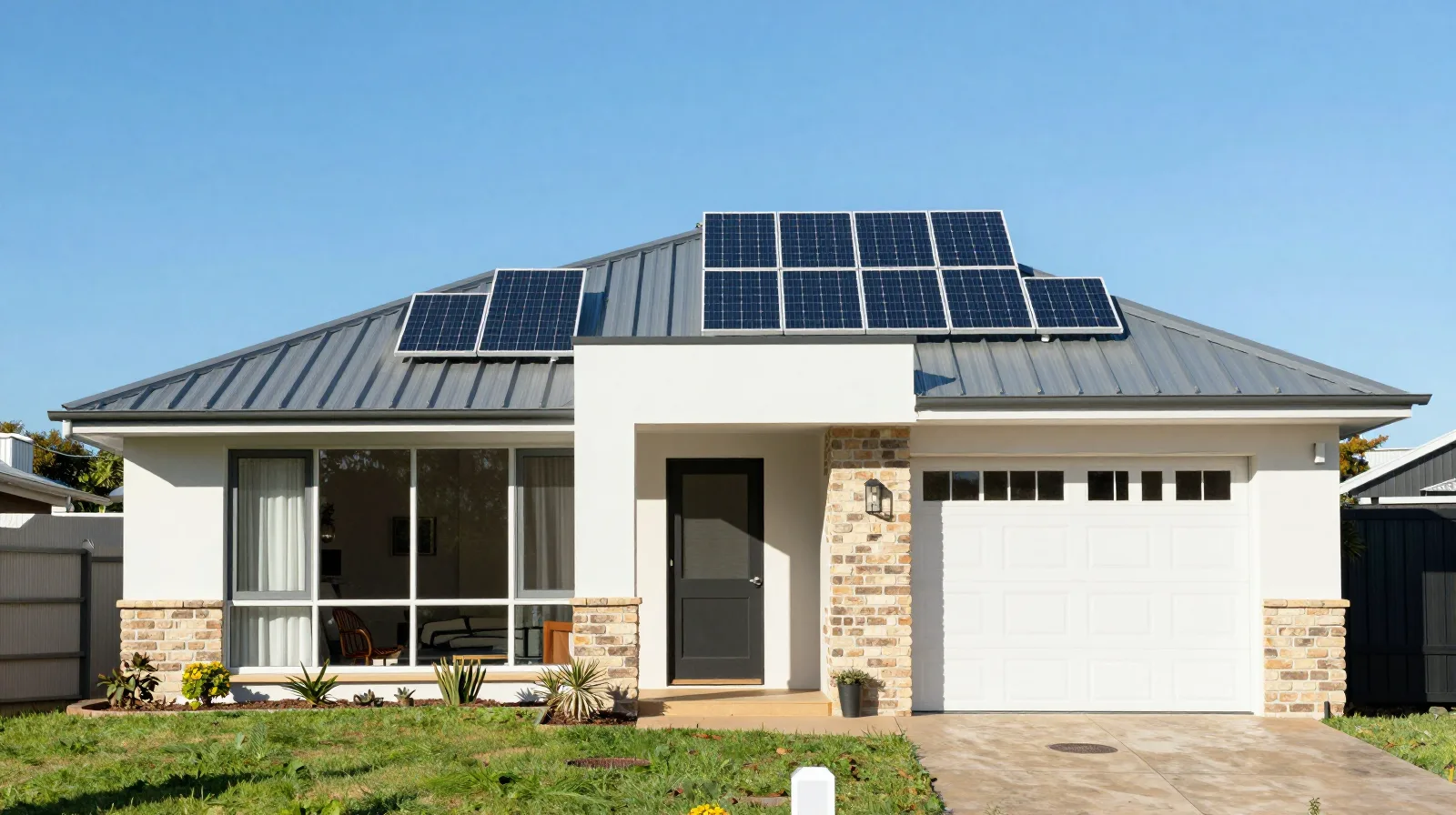
Put a figure on it in under a minute
Our savings calculator turns your bill and postcode into an indicative system size, upfront cost after the STC discount, annual saving and payback. Every assumption is shown on the page.
It is a guide, not a quote. When you are ready, we confirm the exact figures for your roof and energy use in writing, with no obligation.
- Recommended system size for your bill and roof
- Indicative upfront cost after the federal STC discount
- Estimated annual saving, payback and ten-year total
How the rebates actually get to you
The programs sound complex, but the path is the same each time. We manage the certificates and the paperwork; you keep the discount.
Use an accredited installer and approved gear
STCs and battery rebates only apply when the install is done by a Solar Accreditation Australia accredited installer using panels, inverters and batteries on the CEC approved product list. We only fit approved products.
Get network pre-approval first
Your distributor sets an export limit and must approve the connection before install. We lodge this for you. Signing or installing before approval can put both your connection and your certificates at risk.
Assign your certificates for the upfront discount
You sign an STC assignment form so we can create and sell the certificates and take the value straight off your price. You can instead keep and sell them yourself, but most people take the simpler upfront discount.
Keep your paperwork and stay compliant
We hand over your certificates, compliance documents and warranties. The install must meet the standards or the certificates are void, which is another reason to use an accredited installer.
Rebates state by state, at a glance
Every state now leans on the federal solar and battery rebates. State battery-purchase rebates have mostly closed, except in Western Australia. Here is the short version for the other mainland states.
| State | State battery rebate | Typical feed-in tariff | Worth knowing |
|---|---|---|---|
| New South Wales | No purchase rebate (withdrawn Jul 2025). VPP-connection incentive up to ~$1,500 remains. | ~5–8c/kWh | Federal solar and battery rebates apply. The VPP incentive can stack with the federal battery discount. |
| Queensland | No current state battery rebate (Battery Booster closed May 2024). | Regional (Ergon) ~8.66c; SE QLD market ~3–8c | Regional Queensland has a regulated feed-in rate; South-East Queensland is market-based. |
| South Australia | No purchase rebate. REPS VPP rebate up to ~$2,050, but general funding ran low in 2026. | ~3–8c/kWh | A daytime export tariff applies, with a free export band then a small charge and an evening reward. |
| Western Australia | Open: up to $1,300 (Synergy) or $3,800 (Horizon), stacks with federal. | DEBS ~10c peak / ~2c off-peak (Synergy) | The one state battery scheme still open. VPP participation is required to claim it. |
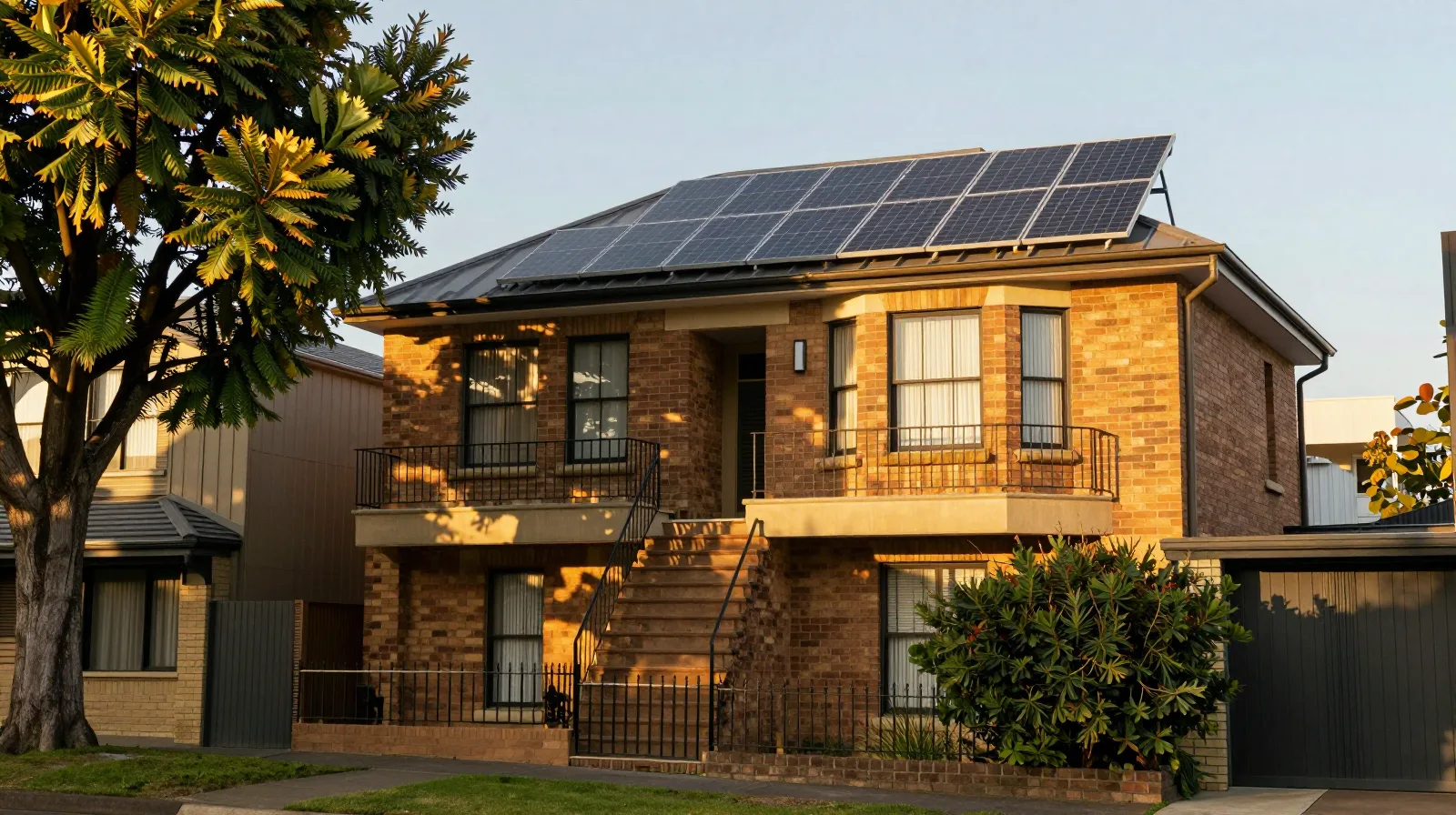
In Victoria? There's more to claim
Solar Victoria runs its own rebates for panels, hot water and heat pumps on top of the federal schemes. Our Victoria guide has the amounts, the 2026 eligibility changes and a worked example for a Melbourne home.
We're based in Rowville and install across Victoria, so we handle the Solar Victoria paperwork and the authorised-retailer requirements as part of the job.
- Solar panel rebate up to $1,400, plus hot water and heat pump rebates
- The 1 July 2026 income cap change, explained plainly
- A worked example: what a Melbourne household actually pays after rebates
Rebate questions, answered
The short version of what people ask us most. If your situation is unusual, ask us and we'll tell you straight.
No. For the federal STC and battery discounts you assign the certificates to us and we take the value off your price, so there's no separate claim. For Solar Victoria you apply through us as your authorised retailer. We manage the paperwork either way.
Often yes. In Victoria the federal STC discount and the Solar Victoria panel rebate stack. Batteries use the federal rebate since the state loan closed. Some incentives are applied in a set order and don't simply add up, so we confirm the real combined figure in your quote.
The certificate price floats daily and sits below its cap, so the exact discount can move between your quote and your install date. We quote a fair current figure and confirm the final amount when we lock in your system.
They shrink over time. The federal STC and battery schemes both wind down to the end of 2030, earning fewer certificates each year, so a system installed sooner earns more. Solar Victoria releases rebates monthly and can change its rules, most recently the July 2026 income cap.
Let's work out what you're owed
Tell us your postcode and your bill and we'll come back with an honest estimate of the rebates and savings for your home, with no obligation.