
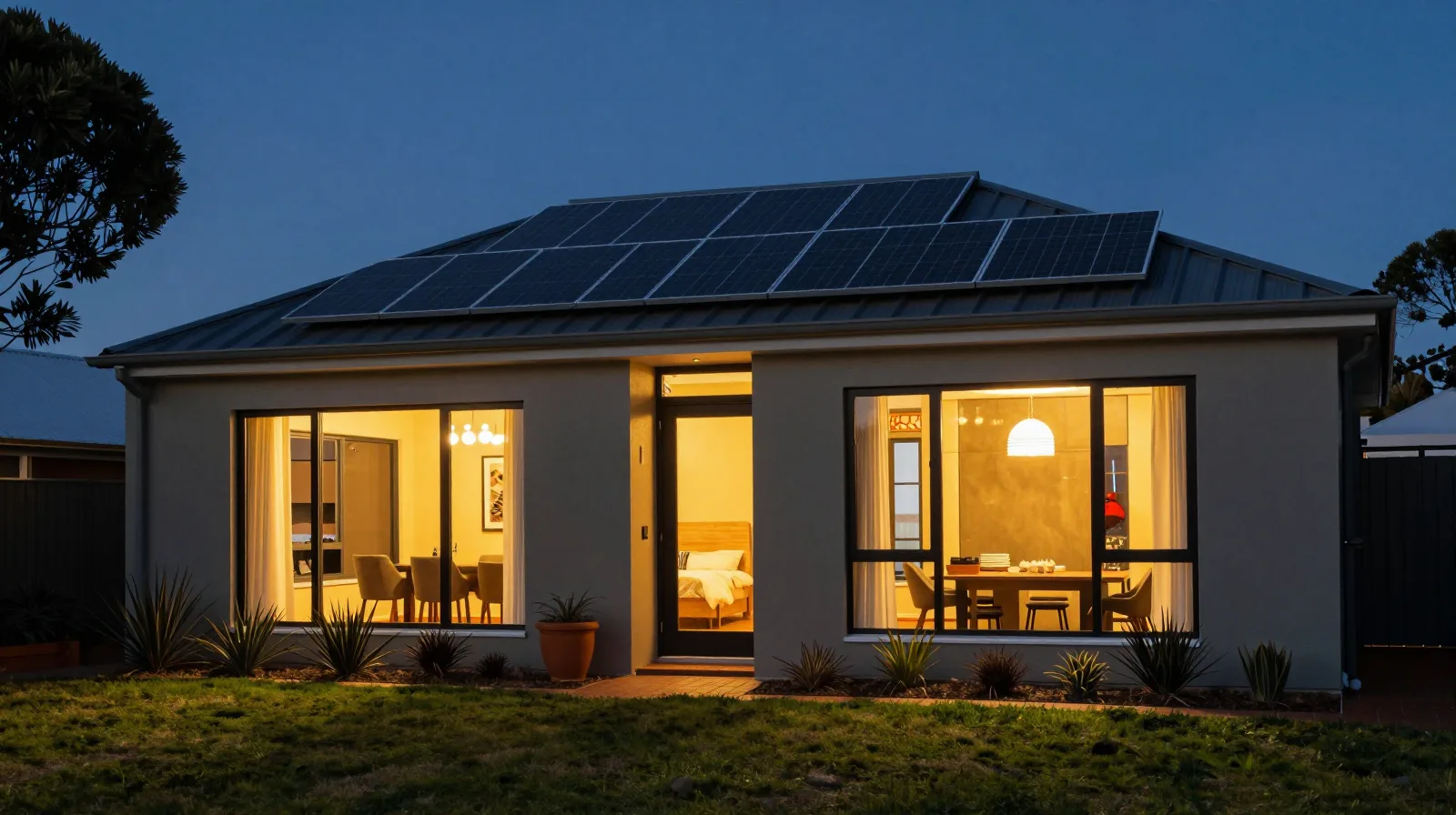
The cheapest energy is the energy you never use. Before you spend on solar or a battery, it pays to trim what you can for little or no cost, because a smaller, more efficient home also needs a smaller, cheaper system to run it. This guide is ordered roughly by bang for your buck: free habits first, then efficient appliances, then the bigger upgrades, then where solar comes in.
Start with the free changes
These cost nothing and add up faster than people expect. None of them ask you to live uncomfortably.
- Heating and cooling to sensible setpoints. Heating and cooling is the biggest slice of most bills. Every degree closer to the outside temperature cuts the load; aim for around 18 to 20°C in winter and 24 to 26°C in summer, and only condition the rooms you are using.
- Turn off, do not standby. Idle devices and second fridges quietly draw power all year. Switch off at the wall what you are not using; a spare beer fridge can cost more to run than people realise.
- Wash cold and line-dry. Most of a washing machine's energy goes into heating water. Cold washes and the clothesline instead of the dryer are among the easiest wins going.
- Close the house up. Draughts and open doors leak the air you have paid to heat or cool. Seal obvious gaps and close doors to zone your heating and cooling.
Switch to efficient appliances and lighting
When something wears out, replacing it with an efficient model locks in a saving for the life of the appliance.
- LED lighting throughout. LEDs use a fraction of the power of old halogen or incandescent globes and last far longer. If you still have halogens, swapping them is close to a no-brainer.
- Higher star ratings on big appliances. Fridges, washers, dryers and dishwashers run for years, so the energy rating matters more than the sticker price. Compare running costs, not just purchase price.
- Efficient heating and cooling. A modern reverse-cycle split system is one of the cheapest ways to heat and cool. If you are running old electric resistance heaters or gas, the running-cost gap can be large.
Fix hot water and insulation
These are bigger jobs, but they target two of the largest loads in a home and keep paying back for years.
Hot water: consider a heat pump
Hot water is often the second-largest energy use in a home after heating and cooling. A heat-pump hot water system uses electricity to move heat rather than generate it, so it can use roughly a third of the energy of a conventional electric element. Pair it with solar and you can heat your water largely on your own daytime power. Rebates and incentives for efficient hot water are available in several states, which improves the case further.
Insulation and draught-proofing
Insulation is the quiet workhorse of a comfortable, cheap-to-run home. Ceiling insulation in particular stops heat escaping in winter and building up in summer, so your heating and cooling runs less to hold the same temperature. Draught-proofing around doors, windows and vents does the same job for a fraction of the cost. Together they shrink the load your solar then has to cover.
Time your usage to your solar
This is where the earlier guide on savings connects. Power you use while your panels are generating is essentially free, so the goal is to move flexible loads into the middle of the day.
- Run the dishwasher, washing machine and pool pump on timers during daylight hours rather than at night.
- Pre-cool or pre-heat the house in the afternoon while the sun is still on the roof, so you coast through the evening peak on less.
- Charge an EV during the day where you can, turning your roof into the cheapest fuel you will ever buy.
- Heat your water in the middle of the day if you have electric or heat-pump hot water on a timer.
Shifting even a few big loads into daylight can lift your solar self-consumption sharply, and self-consumption is where the real savings live.
Where solar and a battery fit
Once you have trimmed the waste, solar covers your daytime usage cheaply and a battery extends that into the evening. Do the efficiency work first and you may find you need a smaller system than you expected, which lowers the upfront cost.
- Solar handles daytime load and exports the surplus. It is the highest-impact single upgrade for most homes once the easy efficiency wins are done.
- A battery stores your daytime surplus for the evening peak, adds backup through short outages, and is now supported by a federal battery rebate. It suits homes that are empty during the day or on time-of-use tariffs.
- Battery-ready solar is a sensible middle path: size the solar now and add storage later when the timing or budget suits.
A sensible order to tackle it
You do not have to do everything at once. Work down the list as budget and worn-out appliances allow, and each step makes the next one cheaper to run.
- Do the free behaviour changes this week.
- Swap to LEDs and efficient appliances as things wear out.
- Tackle hot water and insulation, using any available rebates.
- Add solar sized to your reduced usage, then a battery when it suits.
- Use the savings calculator to size it, and get a free quote for exact numbers.